Almost everyone has experienced the dreaded 2:30 PM energy crash: heavy eyelids, sluggish cognitive focus, and a sudden craving for sugary snacks or an extra shot of espresso to make it through the remainder of the workday. While many attribute this afternoon slump entirely to poor sleep the night before, clinical nutritionists frequently identify the true culprit: an unbalanced, high-glycemic midday meal.
When lunch consists primarily of refined carbohydrates (such as giant sandwiches on white baguettes, large bowls of white pasta, or sweetened smoothies), blood glucose spikes rapidly. The pancreas responds by releasing insulin to clear glucose from the bloodstream, leading to a reactive hypoglycemic dip that leaves you drained of stamina. Building a balanced lunch creates a steady, sustained release of glucose that preserves cognitive sharpness all afternoon.
The "Plate Architecture" Formula for Sustained Energy
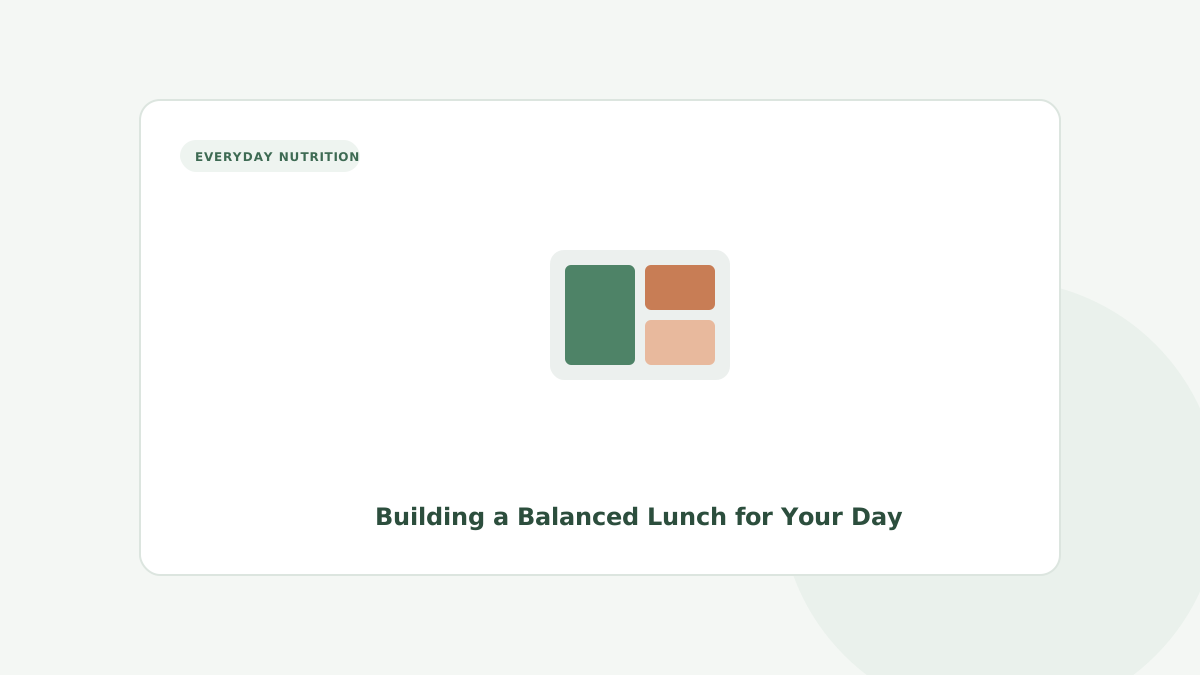
To avoid overcomplicating meal preparation, adopt the intuitive plate framework developed by public health nutritionists at the USDA (MyPlate) and academic institutions:
- Half the Container in Color (Fiber & Micronutrients): Fill 50 percent of your lunch box with non-starchy vegetables and leafy greens—such as roasted peppers, cherry tomatoes, cucumbers, shredded carrots, or baby spinach. Fiber slows gastric emptying, promoting gradual nutrient absorption.
- One Quarter Lean Protein (Satiety & Muscle Repair): Dedicate 25 percent to quality protein: grilled chicken breast, hard-boiled eggs, canned wild salmon, baked tofu, or seasoned chickpeas. Protein stimulates the release of peptide YY and GLP-1, satiety hormones that signal fullness to the brain.
- One Quarter Complex Carbohydrates (Steady Fuel): Reserve the remaining quarter for fiber-rich complex carbohydrates like quinoa, brown rice, sweet potatoes, or sprouted grain bread.
- A Thumb of Healthy Fat (Nutrient Absorption): Drizzle with extra virgin olive oil, add a quarter of an avocado, or sprinkle a tablespoon of pumpkin seeds. Dietary fats are essential for the absorption of fat-soluble vitamins (A, D, E, and K).
1. The Mason Jar Salad: Preventing Soggy Greens
A frequent complaint about packing lunch salads is that they turn soggy and unappealing by noon. The mason jar layering method solves this permanently by separating moisture from delicate greens:
- Layer 1 (Bottom): Pour 2 to 3 tablespoons of dressing directly at the base of the jar.
- Layer 2 (Dense Veggies): Add moisture-resistant chopped vegetables like cucumbers, radishes, and bell peppers that can marinate without getting soft.
- Layer 3 (Proteins & Grains): Layer in your quinoa, chickpeas, or grilled chicken.
- Layer 4 (Top): Pack delicate leafy greens like spinach or arugula firmly into the top half of the jar.
When lunch arrives, simply invert the jar into a bowl. The greens land on the bottom, with the dressed ingredients and toppings cascading perfectly over them.
2. Repurposing Dinner Leftovers Intentionally
Building a nutritious lunch should not require creating an entirely separate meal from scratch. When preparing weeknight dinners, deliberately cook two extra portions. Store the leftover portion directly into a portable container while clearing the dinner table, rather than packing it away into larger refrigerator storage. In the morning, grab your ready-to-go meal without adding a single extra minute to your morning commute routine.
3. Hydration as a Crucial Lunch Companion
Mild dehydration is frequently mistaken for midday hunger or fatigue. The National Academies of Sciences, Engineering, and Medicine notes that adequate fluid intake supports digestion and optimal cognitive processing. Pair your lunch with a tall glass of water or unsweetened herbal tea rather than sugary sodas or fruit juices that contribute to blood sugar spikes.
A Sustainable Workday Anchor
Taking thirty minutes away from your computer desk to sit, chew mindfully, and enjoy a balanced lunch recharges both your physical metabolism and your mental bandwidth. For strategies on optimizing your overall workday wellness, explore our guide on Building a Healthier Workday Routine When You Work at a Desk.